In Review - 2026 Q2

The Global & Domestic Economy
The global economy in 2026 Q2 was shaped by persistent inflation, energy volatility, and massive tech investment. The quarter began with intense supply chain anxieties tied to geopolitical conflict in the Middle East, briefly spiking crude oil prices and shaking global trade confidence. However, as the quarter progressed, energy prices began to recede near pre-crisis levels, offering some breathing room for energy-importing nations.
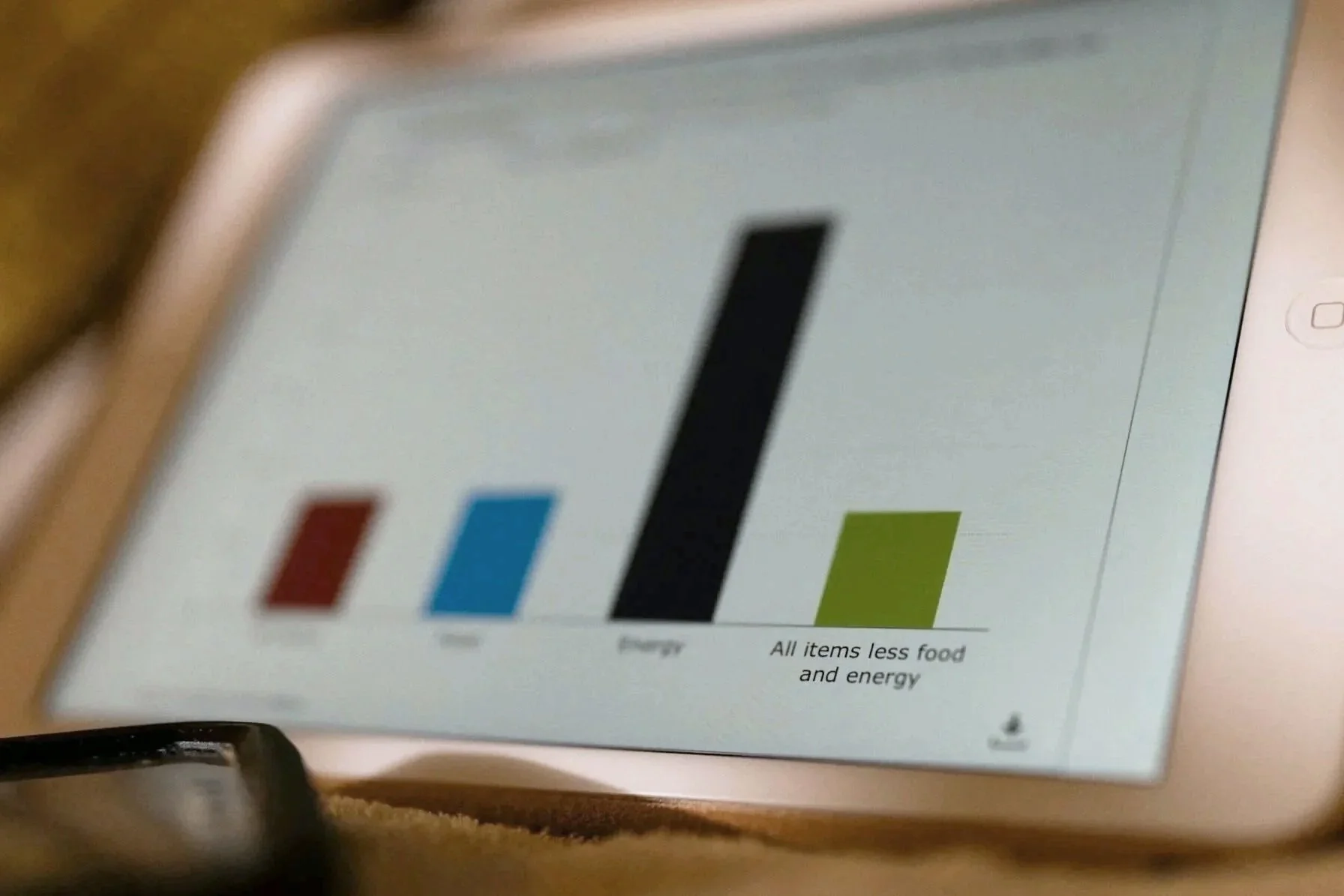
In the U.S. signs of a slight decline in GDP growth slowed toward 2.2%, while core inflation drifted up to 3.4% due to energy shocks and strong demand. Despite these challenges, robust labor markets and heavy corporate spending on AI infrastructure sustained the economy.
The lasting economic impacts of Q2, however, was a shift in central bank expectations. Facing inflationary pressures, the Federal Reserve and global counterparts officially adopted a "higher for longer" stance, pushing anticipated interest rate cuts further into the horizon and setting the stage for tighter financial conditions globally.
The Global & Domestic Markets
Defying macroeconomic concerns, 2026 Q2 financial markets achieved a historic advance. Overcoming a cautious Q1, U.S. equities saw a "casinolike" rally, with the S&P 500 surging 15%—its best performance since 2020. While initially driven by triple-digit gains in AI-related semiconductor and hardware stocks, the rally broadened by June, lifting small-cap and value benchmarks to record highs as investors rotated into cyclical and defensive sectors.
Global performance showed a historic geographical divide. South Korean and Taiwanese tech sectors surged on memory chip demand, while broader emerging markets struggled under a strong U.S. dollar and geopolitical instability. Fixed-income and commodities reacted to the Fed's hawkish pivot with the 10-year Treasury yield reaching 4.4%, and gold dropped 15%, its steepest quarterly decline in ten years.
Thoughts
Moving forward, the primary economic wildcards will be the trajectory of the Federal Reserve's interest rate policy, the sustainability of monumental AI valuations, and the ongoing stabilization of global supply chains.
Cook Financial's investment philosophy is to balance three different high level strategies, with lower allocations within those based on current market conditions. Our default is long-term views, with the goal of achieving the client's desired rate of return with low comparable risk. All though we do have long-term outlooks a short-term analysis is always enjoyable and informative.
an Equity component for growth and to combat inflationary pressures
an Indexed component to combat risk concerns and produce a minor level of income and/or growth
a Fixed component to combat volatility and unpredictability
Recent economic, market, and forecast data continues to lead us to be “cautiously optimistic” in the Equity Component. While we continue to utilize low-cost passive holdings for efficient parts of the market, active management remains crucial to navigate the currently stretched valuations in the AI and tech space. The broadening of the market rally late in Q2 is a healthy indicator that growth is expanding beyond just mega-cap tech names. Portfolio Tilt adjusted a few percentage points to capture and lock in some of the recent gains. We moved our technology exposure back to its original allocation because of the recent growth drift. We still lean towards valued holdings to combat volatility, inflation, & worries about a possible “tech bubble”.
The Index component remained fairly unchanged beyond the typical issuer updates. These strategies continue to serve their purpose effectively, providing a reliable structural barrier against the market's recent rapid price swings. This component is exceptionally helpful because it produces income that generally is insulated from immediate, headline-driven market movements.
The Fixed component continues to look attractive with rates in the mid-to-high 4% & 5% range. However, with the Federal Reserve pausing rate cuts and bond yields pushing higher, duration management is currently paramount to help with a potential pause in significant rate movements.