In Review - 2026 Q1

The Global & Domestic Economy
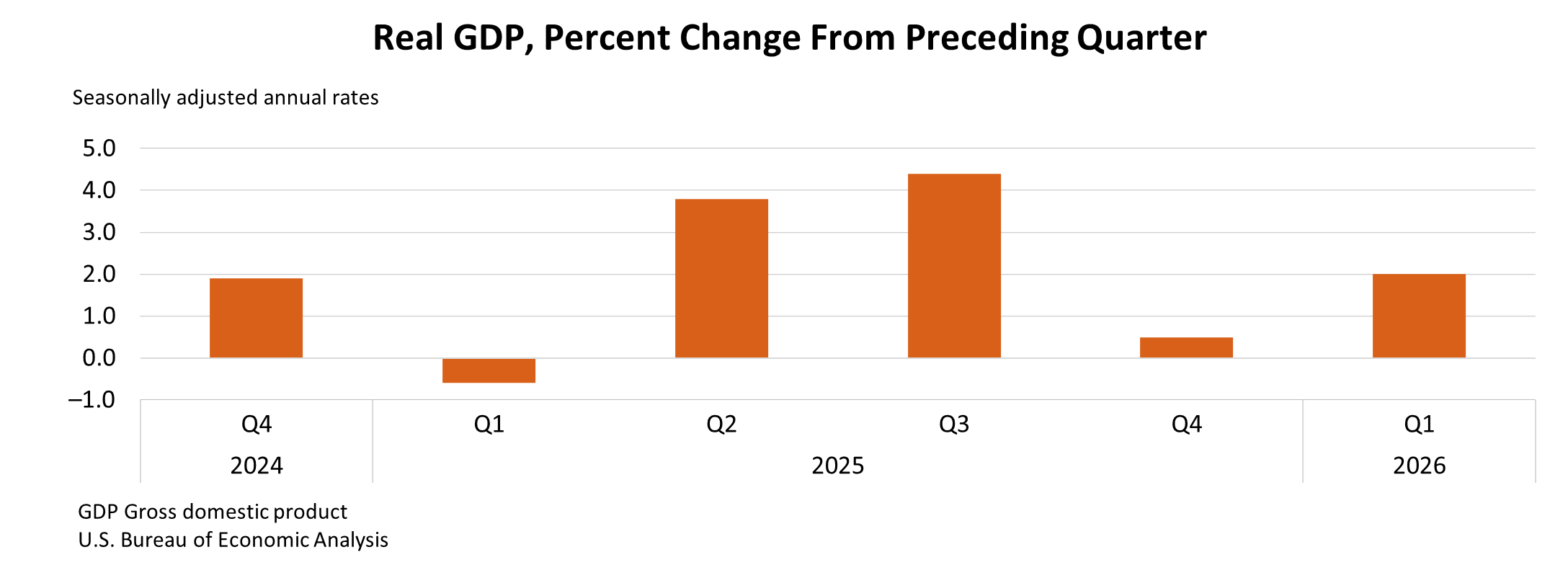
The global economy faced a high-stakes tug-of-war in the first quarter of 2026, as resilient domestic growth collided with intense geopolitical disruptions. In the United States, the economy bounced back to a steady 2.0% growth rate, heavily supported by massive corporate investments in artificial intelligence infrastructure and a rebound in federal spending. However, this domestic momentum was tested by a sharp stock market pullback and cooling consumer spending as households felt the squeeze of persistent affordability pressures.
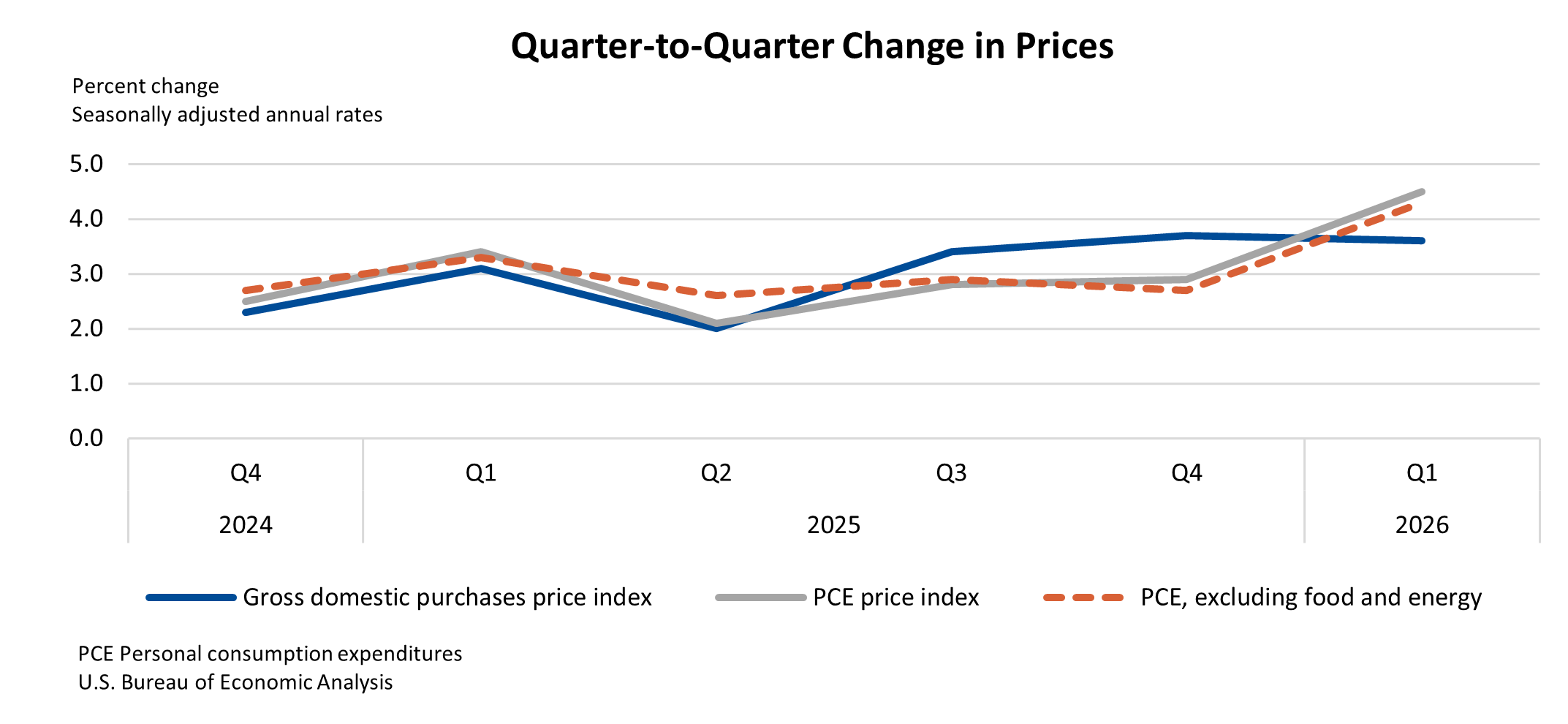
On the world stage, escalating military conflicts in the Middle East sent shockwaves through international supply chains and energy markets. Crude oil prices surged to $101 per barrel, reigniting global inflation fears and forcing central banks, including the Federal Reserve, to halt planned interest rate cuts. While international corporate profits remained fundamentally healthy, this sticky inflation and heightened geopolitical volatility left global investors bracing for a longer period of elevated borrowing costs and market turbulence heading into the rest of the year.
Make it stand out
Whatever it is, the way you tell your story online can make all the difference.
The Global & Domestic Markets
Global financial markets shifted into a highly volatile, macro-driven regime during the first quarter of 2026, transitioning away from the liquidity-fueled optimism of the previous year. In the United States, equity markets snapped a three-quarter winning streak, led by a sharp correction in overextended mega-cap technology and software shares. The S&P 500 Index declined 4.3%, while the technology-heavy Nasdaq fell nearly 7.0%, marking the weakest quarterly performance for large caps since 2022. Despite this index-level retreat, underlying corporate fundamentals remained strong, with S&P 500 companies tracking toward an impressive 13.2% year-over-year earnings growth—marking their sixth consecutive quarter of double-digit profit expansions.
On the international stage, foreign equities generally outperformed their U.S. counterparts. Developed markets (MSCI EAFE) slipped just 1.1%, and emerging markets registered a fractional 0.1% loss, cushioned by lower concentrations of expensive tech stocks and a massive lift from rising commodity values. The decisive inflection point came at the end of February when escalating conflicts involving the U.S., Israel, and Iran severely disrupted shipping lanes through the Strait of Hormuz. This geopolitical shock reignited global inflation anxieties. Consequently, fixed-income markets faced heavy pressure as bond yields climbed, forcing central banks to hold short-term interest rates steady and compelling investors to rotate defensively away from growth stocks and into energy, basic materials, and value-oriented sectors.
Thoughts
Moving forward, the primary economic wildcards will be whether energy prices stabilize, global & domestic inflation, & AI expenditures and adoption.
Cook Financial's investment philosophy is to balance three different high level strategies, with lower allocations within those based on current market conditions. Our default is long-term views, with the goal of achieving the client's desired rate of return with low comparable risk. All though I do have long-term outlooks a short-term analysis can always be informative.
an Equity component for growth and to combat inflationary pressures
an Indexed component to combat risk concerns and produce a minor level of income and/or growth
a Fixed component to combat volatility and unpredictability
Recent economic, market, and forecast data continues to lead me to be “cautiously optimistic” in the Equity Component. I continue to use low-cost passive holdings for efficient parts of the market and use active managed holdings for inefficient parts of the market. With a recent textbook market correction Q1, Portfolio Tilt adjusted a few percentage points away from a cautious sentiment to a more growth sentiment, albeit within valued holdings to combat volatility, inflation, & worries about a quick geopolitical resolution soon. Portfolio stats adjusted in connection with that and confirm a more growth tilt than the previous value tilt.
The Index component was equalized across exchange based portfolios to improve volatility and ease of management. They continue to look good with improved “barriers” & “caps” then last reported. This component is helpful because it produces an income that generally is not affected by market movements.
The Fixed component continues to look attractive with predictable rates still sitting around the 4.54% to 5.15% mark, but these are a bit muted depending on the permanence of inflation numbers.